How IMAG works
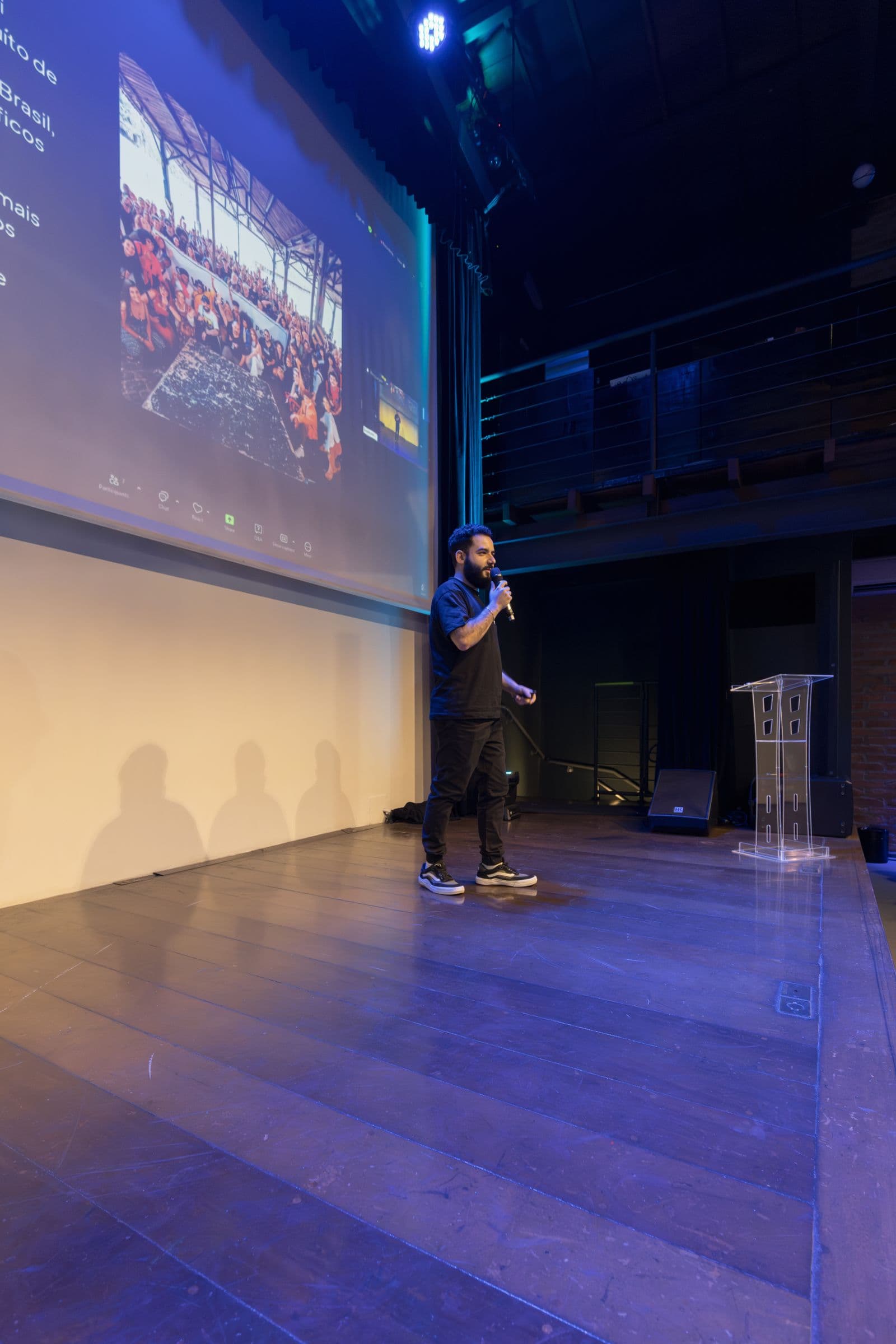
One or more cameras capture the stage. A video switcher selects the shot, and the result is sent to screens or projectors around the room or site. Operators control camera framing and cuts, often alongside slides or graphics.
When your event benefits from IMAG
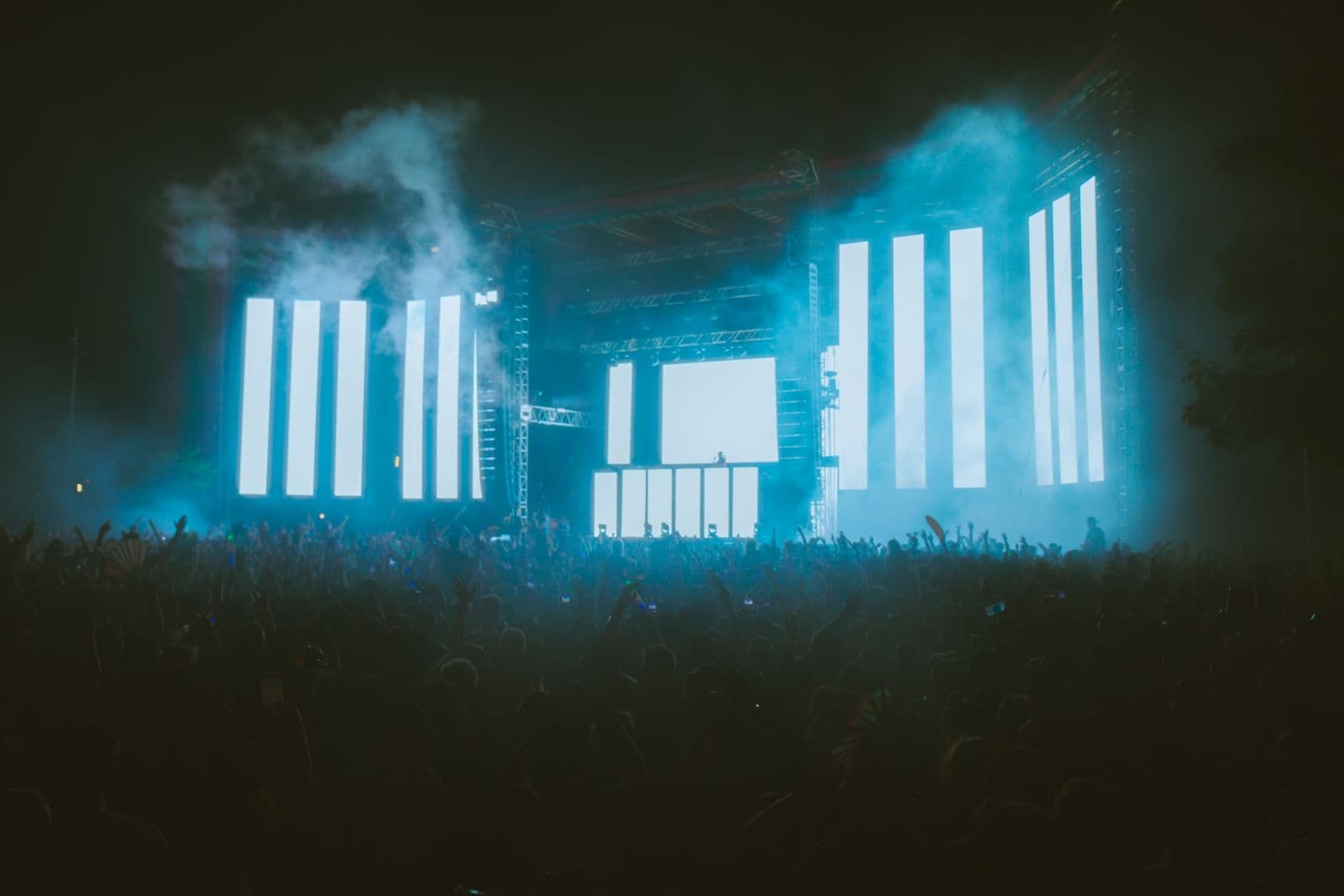
- Large rooms or outdoor crowds where the back rows are far from the stage
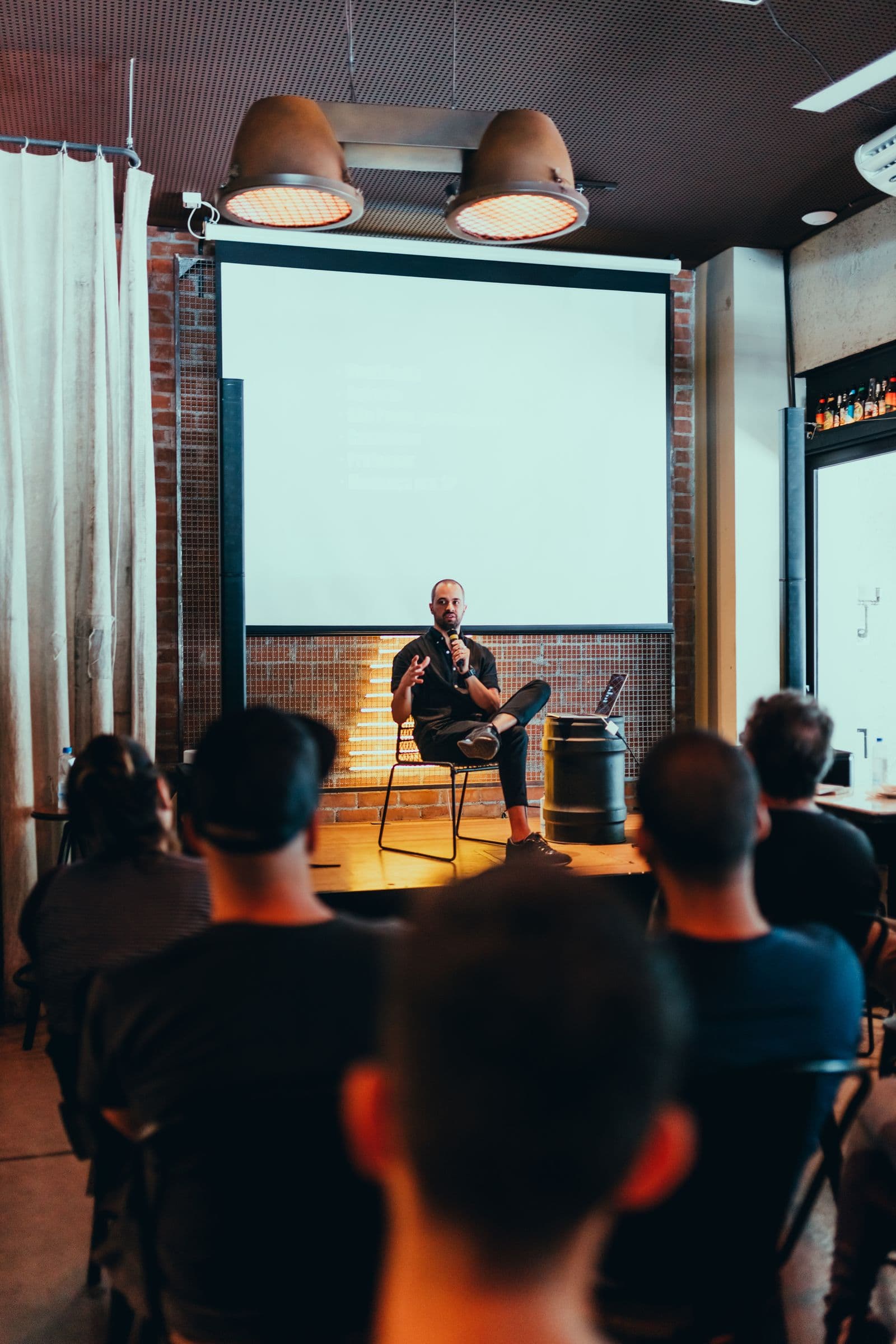
- Keynotes and panels where audiences want to see the speaker
- Concerts and festivals with multiple stages or wide audiences
- Worship services and ceremonies in large spaces
What to plan
Decide how many camera positions you need and where they can sit without blocking sightlines. Tell your AV provider about lighting, since cameras need adequate light on subjects. Confirm whether you also want to record or stream the event, which may need extra equipment.